
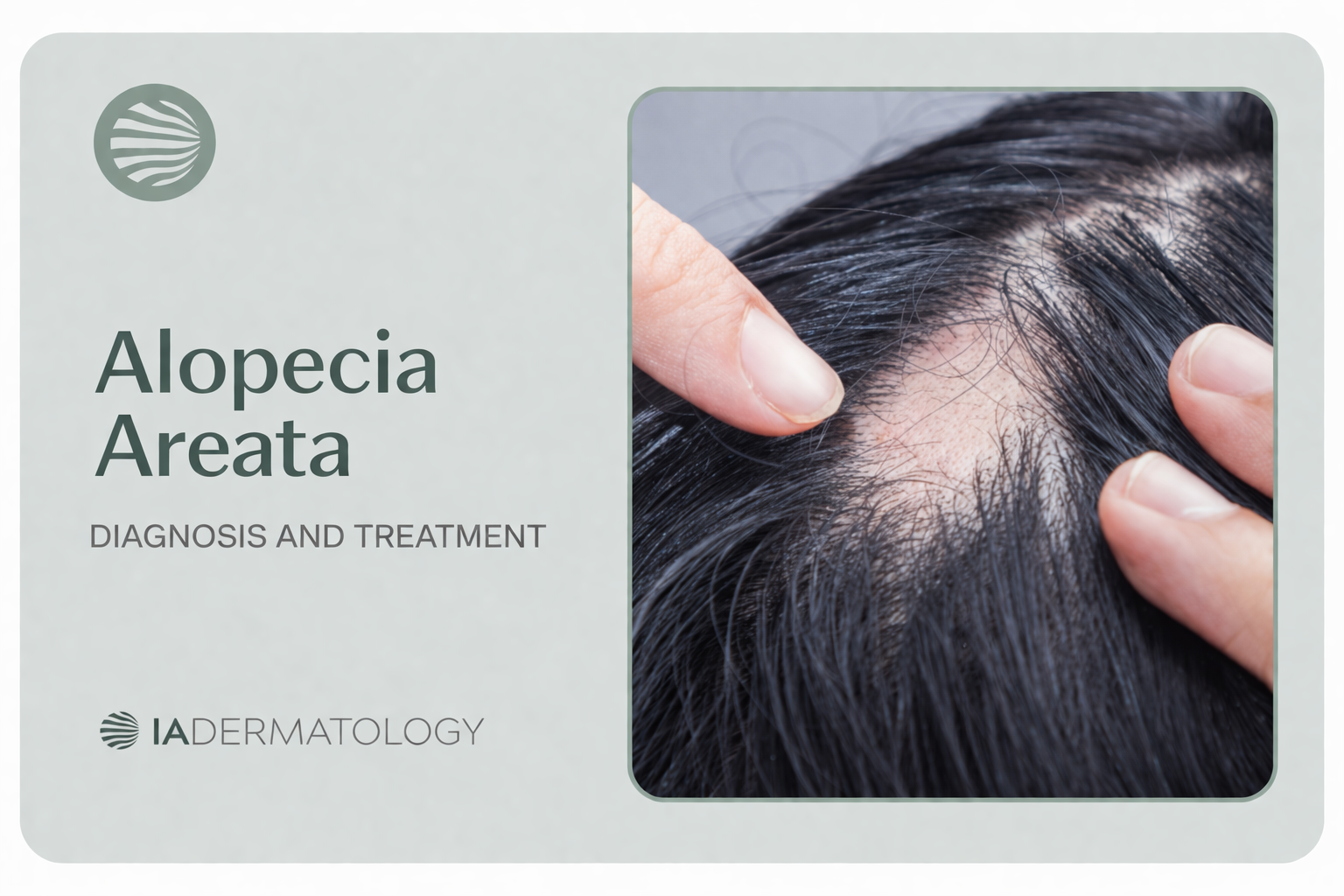
Sudden bald patches on the back of the head or severe excess shedding of scalp hair can be distressing. These are often the first signs of alopecia areata, a common autoimmune disorder causing hair loss.
At our Harley Street dermatology clinic, we specialize in diagnosing the etiology of alopecia areata and providing advanced treatment for alopecia to help restore your confidence.
What is Alopecia Areata Hair Loss?
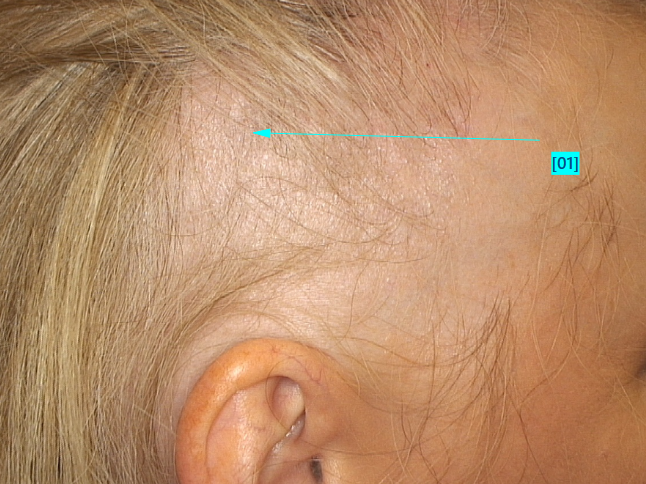
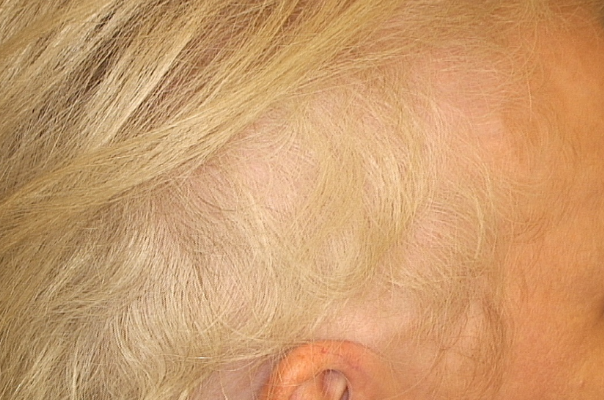
Alopecia areata is a skin condition where the immune system mistakenly attacks the hair follicle. It is a form of non-scarring hair loss, which is different from scarring hair loss alopecia, meaning the follicles remain alive and hair regrowth in alopecia areata is highly possible with the right intervention.
While it commonly presents as patchy hair loss (small, coin-sized round bald patches), it can progress into different types of alopecia areata:
- Alopecia totalis: Complete scalp hair loss.
- Alopecia universalis: Total hair loss on the scalp and body.
It can affect all genders, ages, and ethnicities, with nail changes like pitting observed in some cases. - Ophiasis: A specific alopecia areata regrowth pattern that occurs in a wave-like shape at the circumference of the head.
Common Signs & Symptoms
If you are wondering how does alopecia start, it often begins with a sudden bald spot on the head. In women and males, the symptoms are similar:
- Patchy hair loss that appears overnight.
- Exclamation mark hairs: Short, tapered hairs at the edge of patches (a key alopecia areata differential diagnosis feature).
- Nail changes: Alopecia areata in nails can cause pitting, brittleness, or “thimble dimples.”
- Scalp Sensations: Itching or burning before the hair falls out. If you have a red scalp and hair loss, a professional evaluation is essential.
- Thinning hair: Sometimes the condition starts as general alopecia areata hair thinning before patches appear.
What Causes Sudden Alopecia Areata?
The exact alopecia areata reason is an autoimmune response, but several factors act as triggers for alopecia areata:
- Genetic predisposition: About 20% of those affected have a family history.
- Other autoimmune conditions: Linked to thyroid disease, vitiligo, type 1 diabetes, or atopic conditions like eczema.
- Stress or infections: May act as triggers in some cases, though not consistently.
- We often see links between hair change during menopause and autoimmune responses.
Get Started with Alopecia Areata Recovery Journey
Discover personalised care and expert guidance to restore your confidence and hair health with elegance and precision.
“Thanks goodness for Dr Ali, I certainly wouldn’t be where I am today without her. By far the best doctor I’ve ever come across in my life, so knowledgeable, calming, honest, professional, kind and down to earth. She saved me from being robbed of my hair through alopecia and I’ll be forever grateful.“
✅ Verified Patient Review from Doctify
Visited for Alopecia Areata
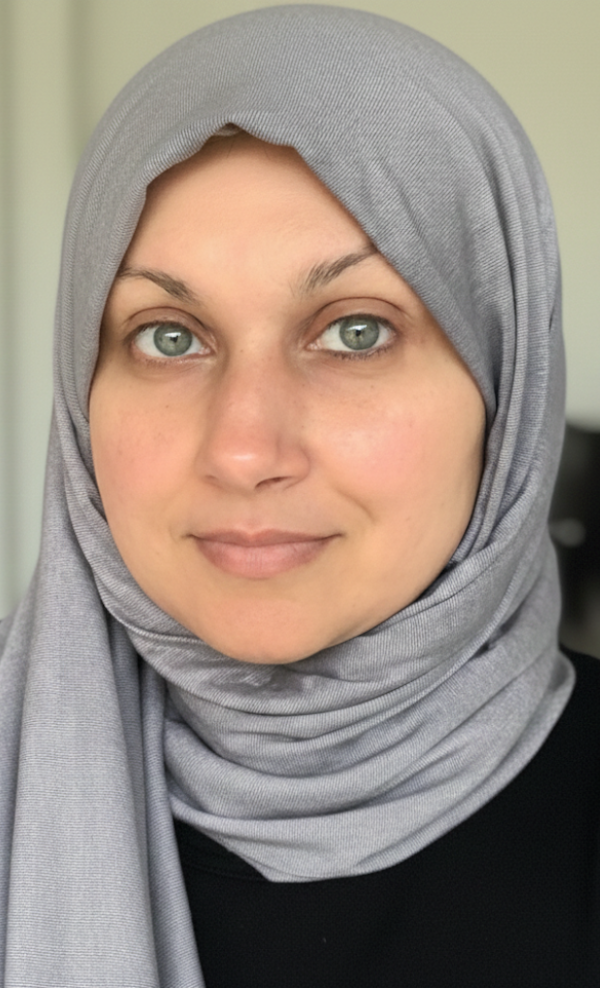
MB ChB MRCP MSc
How to Treat Alopecia Areata at Our London Clinic
There is no single “cure,” but there are many ways to fix a bald patch and stimulate hair growth on bald patches. Our hair treatments are customized for every patient.
Topical treatments:
- Local steroid injections: Most effective for small patches on the scalp or brows, repeated every 6 weeks until full recovery.
- Corticosteroid creams/shampoo applied to bald patches for 6 weeks – often prescribed in primary care but not always effective.
- Minoxidil lotion to boost regrowth in combination with other therapies.
- Prostaglandin analogues (e.g., latanoprost) for eyebrow/eyelash regrowth.
Local steroid injections:
- Most effective for small patches on the scalp or brows, repeated every 4-6 weeks.
Oral treatments:
- Immunosuppressants (e.g., methotrexate, ciclosporin, azathioprine)
- JAK inhibitors (e.g., ritlecitinib, NHS-funded for severe cases; other JAK used off-licence)
- Corticosteroid tablets for acutely progressive disease or severe cases (usually for short-term use only).
- Oral minoxidil
Psychological support:
- Improve well-being and reduce stress factors
Each treatment plan is customised to your needs, balancing efficacy and safety.
What to Expect with Treatment
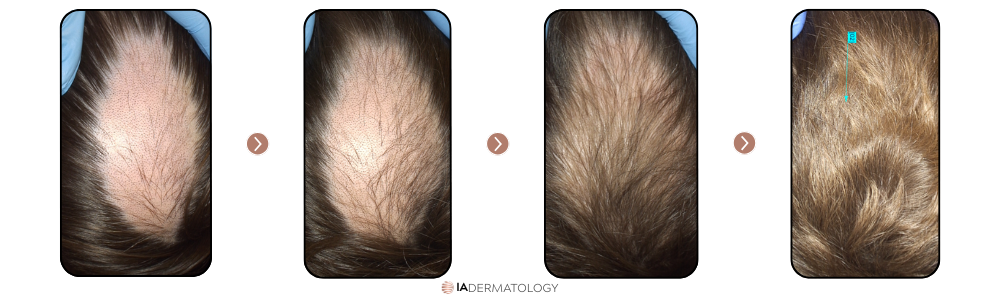
- For single, solitary patches or limited patches (<5), the prognosis is generally good. Hair regrowth is usually seen six weeks after a course of scalp steroid injection.
- Larger areas of hair loss (30% of scalp or more) can take several months/years to recover fully, depending on the treatment regimen and the response rate.
- Beard alopecia generally responds rapidly to steroid injection
We guide you with realistic timelines, ongoing monitoring, and emotional support.
Our Diagnostic Approach
A careful medical history is taken to understand the course of alopecia, the speed of onset and additional medical factors such as thyroid disease, family history or nutritional deficiency
Intralesional steroid injection, supplements, minoxidil are the most common treatments. More complex cases will need tablet treatment to suppress the immune system.
We guide you with realistic timelines, ongoing monitoring, and emotional support.
Clinical examination to assess hair loss patterns and symptoms.
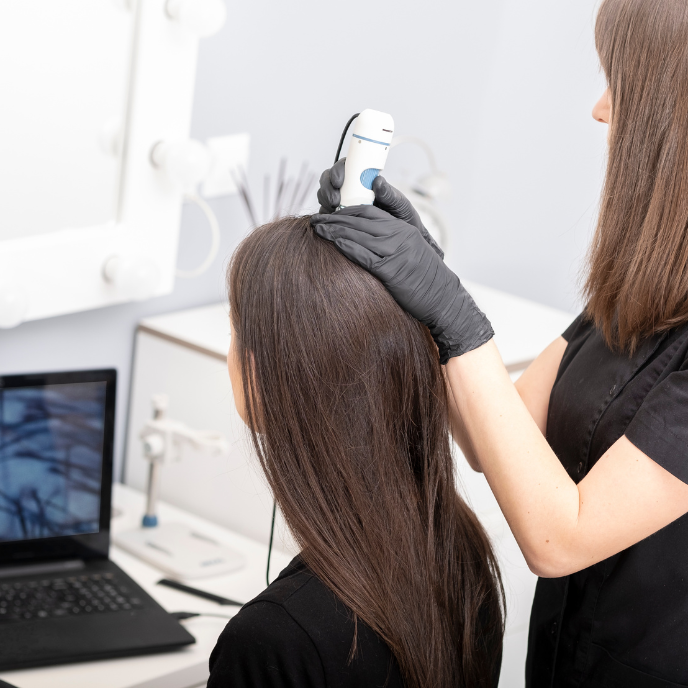
Non-invasive Trichoscopy Scalp Imaging to evaluate hair follicles and scalp health. Clinical photos are taken to monitor and record progress.
Blood tests are ordered if appropriate usually to test thyroid function, Vitamin D, B12, Folic acid, Ferritin, iron studies.
More tests are ordered if there is suspicion of coeliac disease or treatment with immunosuppressive drugs is planned.

Scalp biopsy (if needed): required in rare occasion to confirm diagnosis in uncertain cases
A careful treatment plan is organised based on the clinical findings.
FAQs
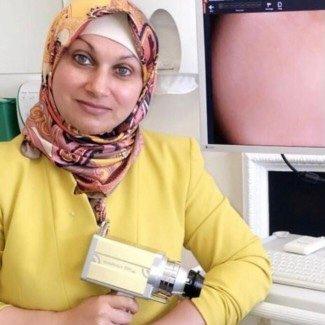
Dr Iaisha Ali, MB ChB MRCP MSc(Oxon)
A London-based dermatologist, specialises in acne, hair loss, hormonal skin disorders, and skin cancer treatment.
Dr Ali has been practising dermatology since 2002, with over 25 years of medical experience delivering consultant-led dermatological care. She previously served as Consultant Dermatologist and Clinical Head of Dermatology at Imperial College Healthcare NHS Trust, where she led complex dermatology services and specialist referral clinics.
