
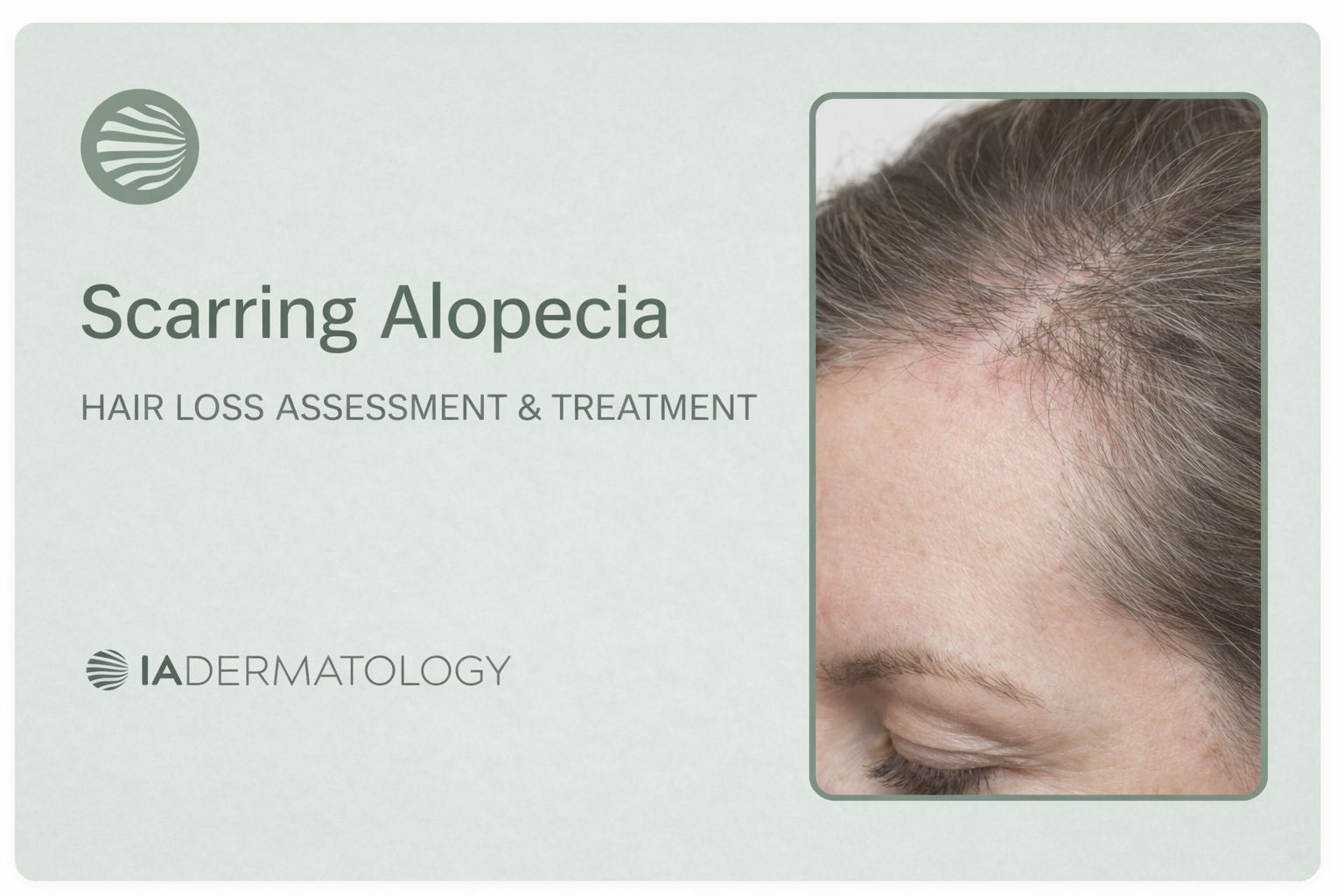
Scarring hair loss, medically known as Cicatricial Alopecia, is a challenging condition where inflammation or injury destroys hair follicles, replacing them with scar tissue. Unlike more common types of hair loss, this process can lead to permanent hair loss if not intercepted early.
At our Harley Street dermatology clinic, we specialise in identifying the start of alopecia and providing aggressive treatment plans to halt progression and protect your remaining hair.
What Is Scarring Alopecia?
Scarring alopecia refers to a diverse group of rare disorders that cause permanent damage to the hair follicle. When a scar on the scalp forms in place of a follicle, hair can no longer grow. The skin in affected areas often appears smooth and shiny, lacking the visible “pores” or follicle openings seen in a healthy scalp.
Scarring vs. Non-Scarring Alopecia: What’s the Difference?
It is vital to distinguish between scarring vs non-scarring alopecia.
- Non-scarring hair loss, such as Alopecia Areata or Female Pattern Hair Loss, involves follicles that are dormant but still alive.
- Scarring hair follicles are physically destroyed.
Understanding this alopecia scarring vs non-scarring distinction is the first step in a dermatological clinical assessment.
What Does Scarring Alopecia Look Like? (Symptoms)
Many patients first notice a bald spot on the back of the head or along the part line. However, the symptoms of scarring alopecia are often more physical than just “thinning.” Watch for:
- Permanent bald patches with a smooth, shiny scalp surface.
- Itching, burning, tenderness, or pain in affected areas (sometimes before hair loss).
- Redness, flaking, or crusting of the scalp.
- Pustules (small pus-filled bumps) or scaling in certain conditions.
- Hair loss can be patchy, localised, or more widespread, depending on the cause.
Common Causes of Scarring Hair Loss
The destruction of hair follicle stem cells is usually caused by one of two pathways:
Types:
- Primary scarring alopecia: Autoimmune or inflammatory conditions directly attack the hair follicles (e.g., lichen planopilaris, discoid lupus erythematosus).
- Secondary scarring alopecia: Hair follicles are destroyed as a result of burns, infections, tumors, radiation, or other external injury.
Scarring alopecia can affect both men and women, though it is generally more common in women.
Get Started with Recovery
Discover personalized care and expert guidance to restore your confidence and hair health with elegance and precision.
“I have been seeing Dr Ali for a few years now and I am very happy with my results. I had already tried a few doctors before her but was the only dr that was able to produce results. This is the main reason why I stayed with her. She is also a great person and will take time to speak with and navigate/ explain the condition. I would definitely recommend her.”
✅ Verified Patient Review from Doctify
Visited for Hair Loss Treatment
Expert Treatment for Scarring Alopecia in London
The primary goal of treatment for scarring alopecia is to stop the active inflammation before it spreads to healthy follicles. While you cannot usually grow hair on a scar, you can save the hair you still have.
Medical Interventions
At IADermatology, Dr. Iaisha Ali utilizes a range of advanced medical therapies:
- Anti-inflammatory medicines:
- Anti-inflammatory medicines:
- Corticosteroid injections into affected patches
- Topical steroid creams or scalp solutions.
- Topical Calcineurin inhibitors
- Anti-inflammatory antibiotics
- Oral steroids for rapid control of inflammation in severe cases.
- Hydroxychloroquine
- Oral retinoids
- Systemic immunosuppressive medications: Methotrexate, mycophenolate, or ciclosporin in resistant cases.
What to Expect with Treatment
Our goal is to stop active inflammation to preserve remaining hair.
Regrowth is difficult once follicles are destroyed. Early intervention offers the best chance to stabilise the disease.
Some patients need long-term low-dose medication to maintain control.
Our Diagnostic Approach
We guide you with realistic timelines, ongoing monitoring, and emotional support.
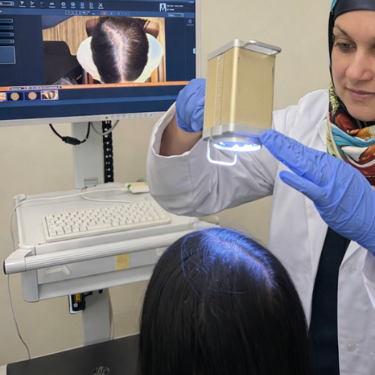
Expert clinical assessment by Dr. Iaisha Ali, hair specialist dermatologist
Trichoscopy & scalp biopsy where required.
Individualised treatment plan with a focus on halting disease activity.

Emotional support and cosmetic solutions offered alongside medical treatment.
FAQs
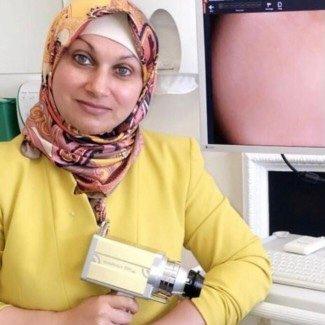
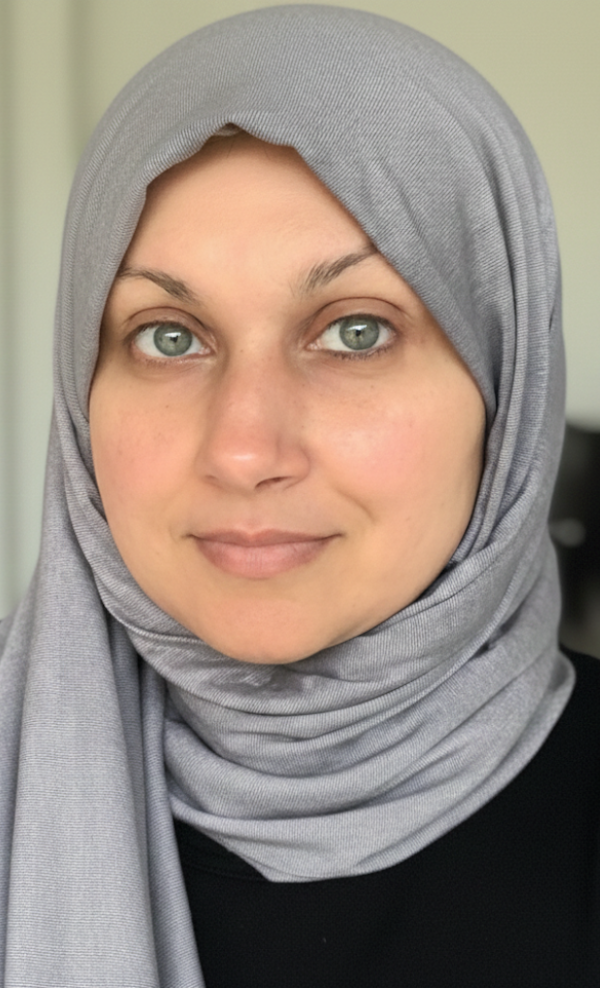
Dr Iaisha Ali, MB ChB MRCP MSc(Oxon)
A London-based dermatologist, specialises in acne, hair loss, hormonal skin disorders, and skin cancer treatment.
Dr Ali has been practising dermatology since 2002, with over 25 years of medical experience delivering consultant-led dermatological care. She previously served as Consultant Dermatologist and Clinical Head of Dermatology at Imperial College Healthcare NHS Trust, where she led complex dermatology services and specialist referral clinics.
