
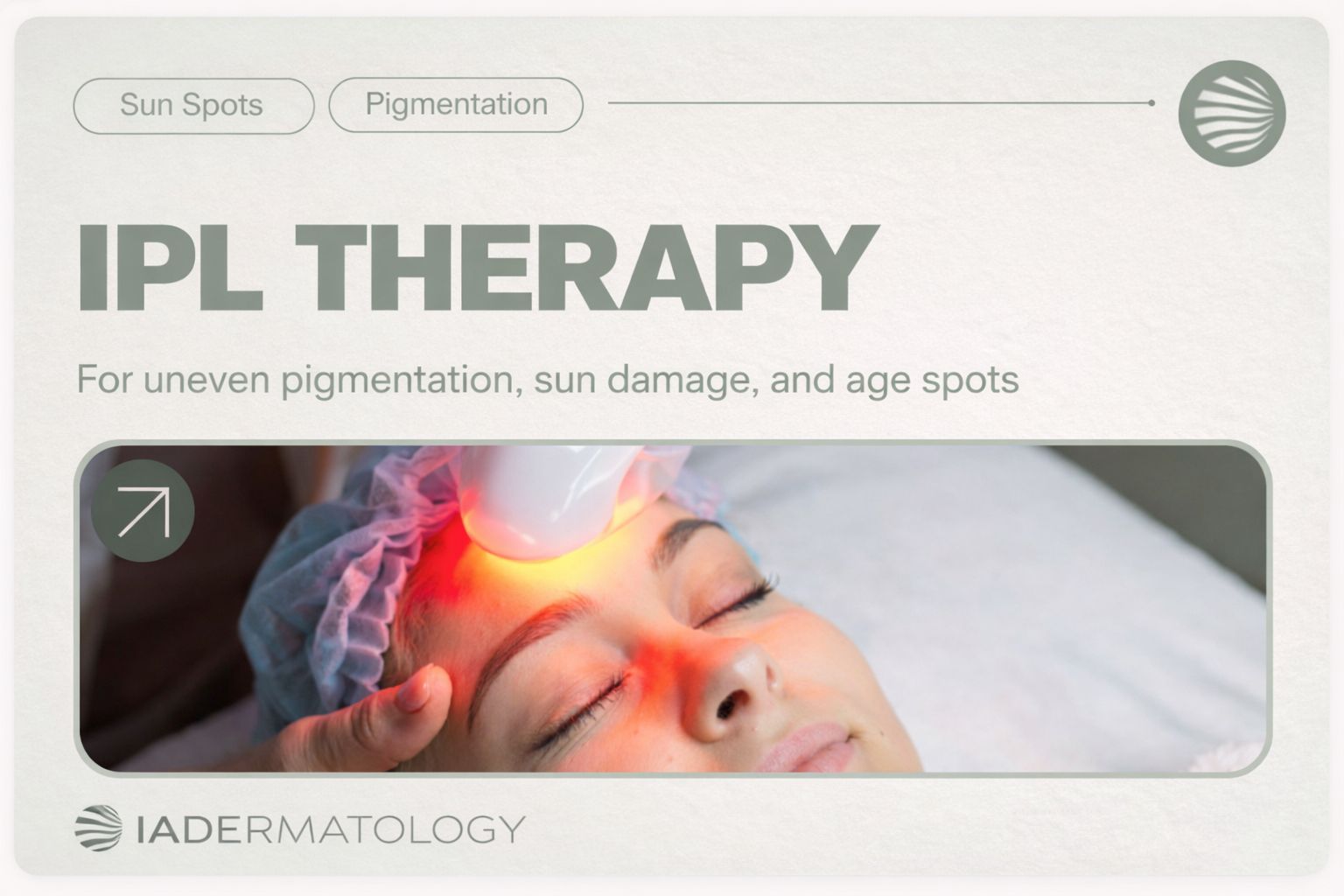
At our Harley Street dermatology clinic, we see many patients struggling with the cumulative effects of sun damage—often called photoaging. Intense Pulsed Light (IPL), also known as an IPL photofacial, is one of the most effective, non-invasive solutions for restoring an even skin tone and youthful glow.
What is IPL? (And why it’s not technically a laser)
While many patients ask for an IPL laser, there is a key technical difference. A traditional laser uses a single, concentrated wavelength of light. In contrast, intense pulsed light therapy uses a broad spectrum of light, similar to a high-powered camera flash.
This “scattered” light allows the device to target multiple depths of the skin simultaneously. This makes it a “gold standard” for skin treatments because it can treat redness, brown spots, and dull texture all in one session.
How Does It Work on Pigmentation?
- IPL light is absorbed by melanin, the pigment in freckles, sun spots (solar lentigines), and uneven skin tone.
- This light energy gently heats and breaks down excess pigment into smaller fragments.
- Over time, the treated pigment rises to the skin surface and naturally flakes away, leaving a clearer, more even complexion.
For those dealing with complex skin pigmentation disorders or hyperpigmentation, IPL offers a way to “deep clean” the skin’s layers without the downtime of minor dermatologic surgery.
What Can It Treat?
- Freckles and sun-induced pigmentation (solar lentigines)
- Uneven skin tone caused by sun damage
- Signs of photoaging such as mottled pigmentation, redness, and dullness
- Skin texture and overall complexion may also improve as IPL stimulates collagen production
Benefits of IPL Photofacial Treatments
Choosing an IPL photofacial or IPL skin rejuvenation treatment offers several advantages for those with sun-damaged skin:
- Reduction in unwanted freckles and sun spots
- Smoother, brighter, more even skin tone
- Rejuvenation of sun-damaged skin
- A fresher, more youthful appearance with minimal downtime
What Can IPL Photofacial Treat?
- IPL feels like a quick, warm flick or a rubber band snap against the skin.
- Cooling gel is applied before treatment to increase comfort.
- Immediately after, the skin may look red or slightly swollen, similar to mild sunburn.
- Darker pigmented spots often become temporarily darker or look like fine coffee grounds – this is normal.
- These areas will gradually fade or flake off over 7–14 days.
Results and Aftercare
- Some improvement may be visible after 1 treatment, but most need 3–6 sessions spaced 4–6 weeks apart.
- Avoid sun exposure, tanning, and strong active skincare until healed.
- IPL is best for lighter skin tones; a test patch is performed.
Visit IADermatology, Harley Street, for personalised IPL consultations.
Why Choose IA Dermatology?
Whether you are looking for minor dermatologic surgery procedures or a simple intense pulsed light facial, our expert team provides bespoke care. We also treat inflammatory conditions such as eczema, psoriasis, and inflammatory skin.
Contact us today to view our clinical outcomes and book your consultation for intense pulsed light skin treatment.
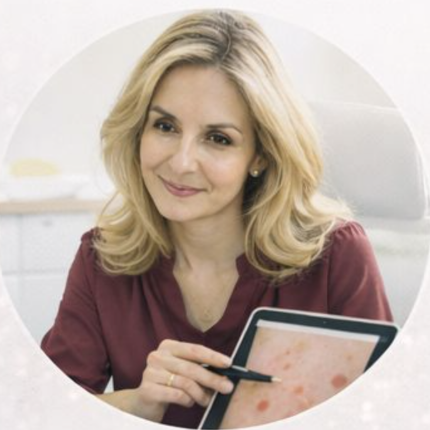
1. Skin
Assessment
Detailed clinical examination to analyze your skin’s specific needs & establish clear treatment priorities.
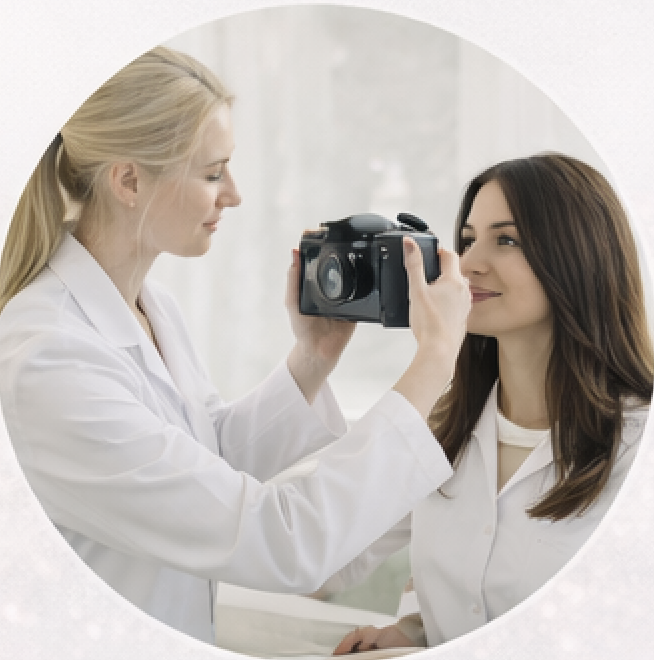
2. Photography & Planning
Baseline photographs taken. Treatment options discussed and expectations aligned.
3. Personalised Programme
Tailored treatment plan combining in-clinic procedures, skincare and skin-supporting therapies.
4. Treatment &
Aftercare
Deliver professional treatment followed by structured monitoring, support, and essential post-procedure care.
