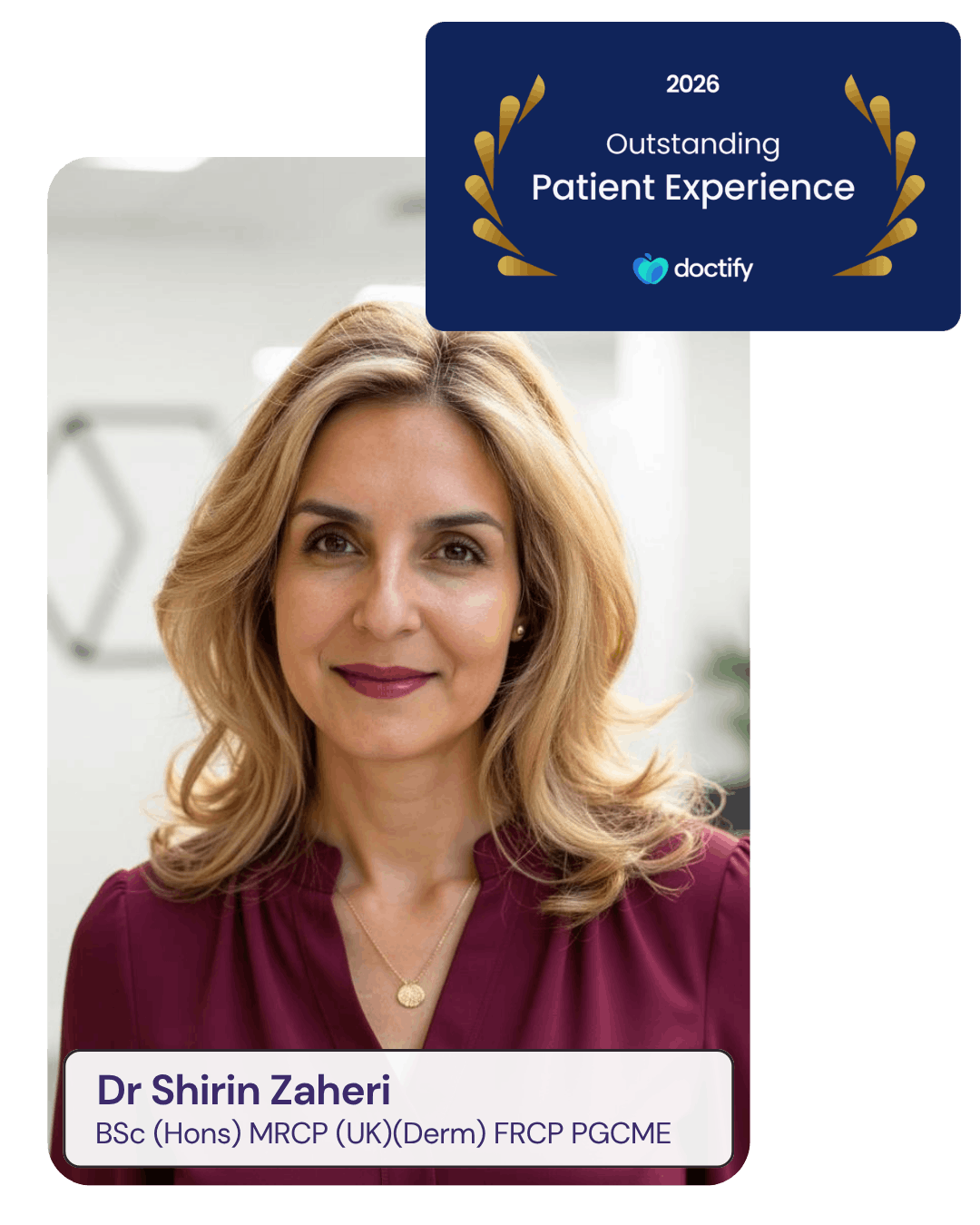
“ Dr Zaheri is amazing, would highly recommend to anyone looking to improve your skin. ”
Not sure what'sright for you?
Skin and hair concerns can feel daunting. That’s why we at IA Dermatology created a quick, smart analysis tool. Just a few questions for personalised next steps based on your conditions, skin type, age, and goals.
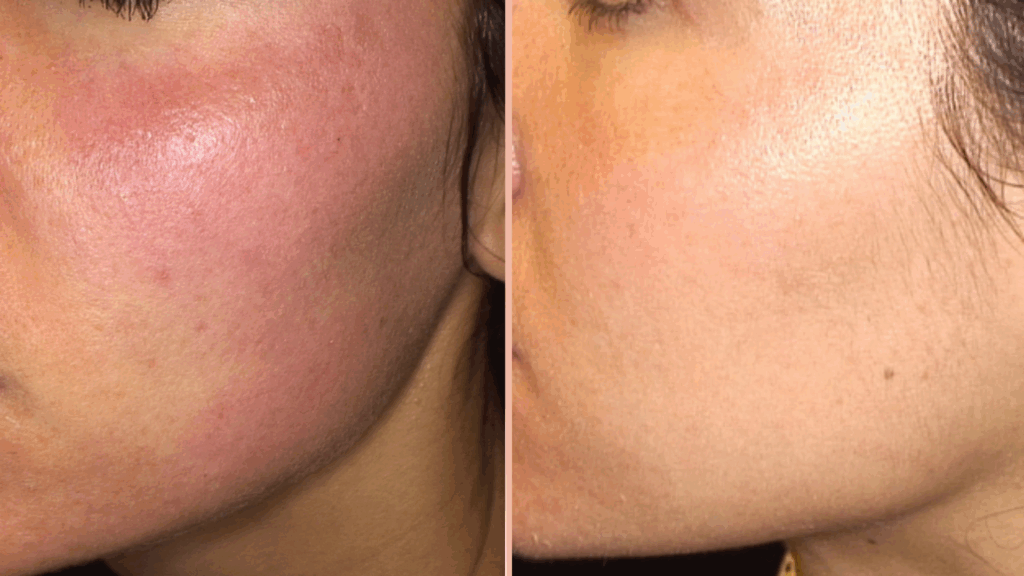
I’m really really pleased with my treatment with Dr Ali. I first came through a word of mouth recommendation from a family friend and it was the best investment into my skin that I could have ever made! I used to struggle with repeated breakouts/ acne on my back and face and a super congested and inflamed dermal layer and 9 months on my skin has been transformed (although I started seeing results really quickly at 2 months!). Really recommend Dr Aisha as a dermatologist she’s fantastic and professional.
Dr Zaheri has been great and I’ve read appreciated her help with treatment. Unrelated to Dr Zaheri but administration downstairs in the hospital seems to be improving which is great to see.
Dr Zaheri has been great and I’ve read appreciated her help with treatment. Unrelated to Dr Zaheri but administration downstairs in the hospital seems to be improving which is great to see.
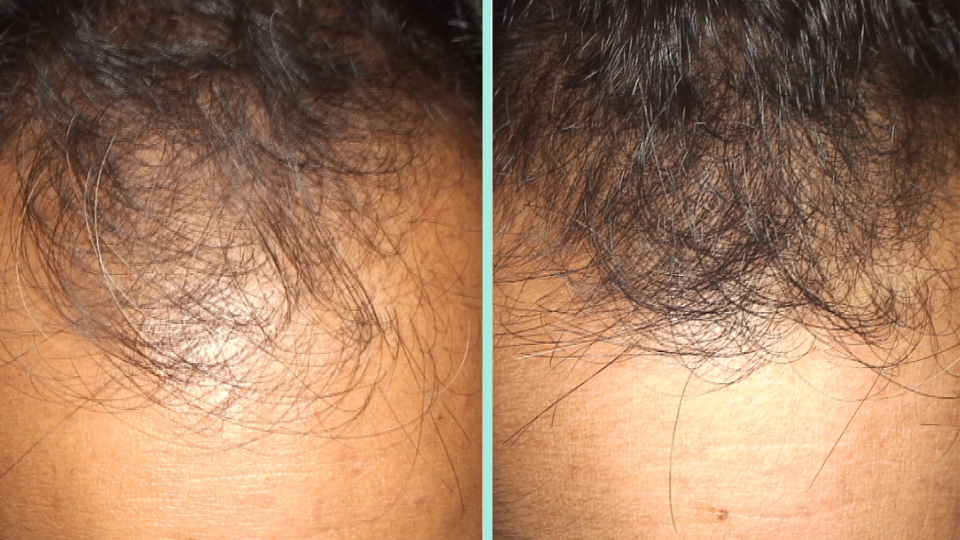
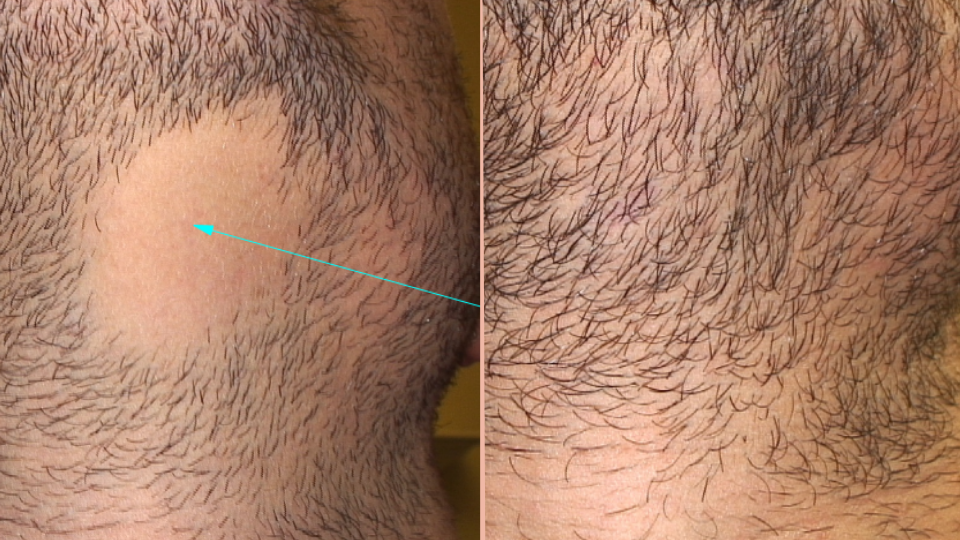
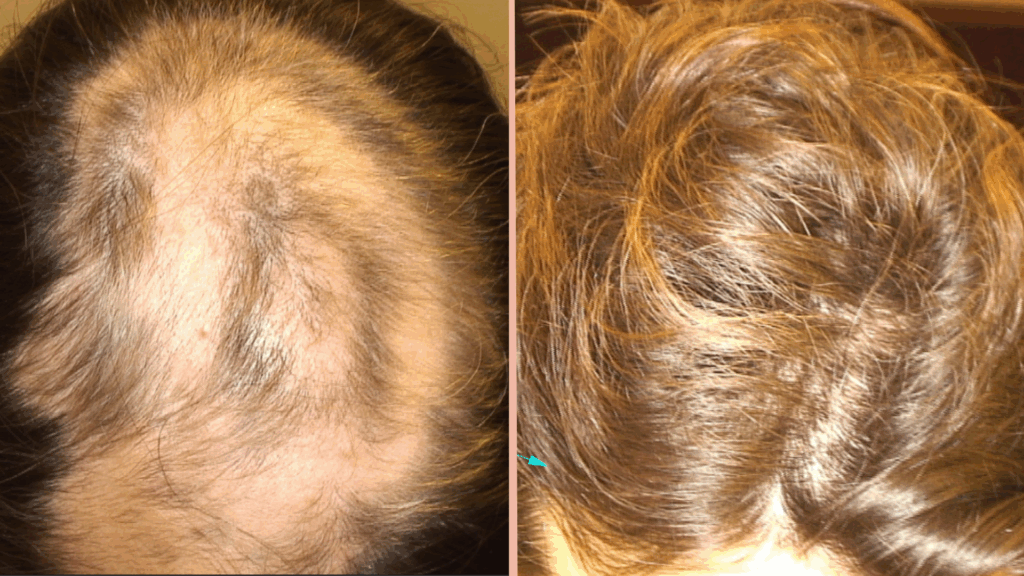
I’ve had an amazing experience with Dr Iaisha Ali, I’ve been with her for 2 and half years, I’ve had treatments with her for my skin, hair and I’m more than happy with the results.. Dr Iasisha Ali always has a solution for everything, she really truly is the best!
Dr Zaheri has been great and I’ve read appreciated her help with treatment. Unrelated to Dr Zaheri but administration downstairs in the hospital seems to be improving which is great to see.
Dr Zaheri has been great and I’ve read appreciated her help with treatment. Unrelated to Dr Zaheri but administration downstairs in the hospital seems to be improving which is great to see.
Doctor Ali was extremely helpful, understanding and informative and provided excellent care as well as assistance with my future care. It is one of the best doctor-patient experiences I’ve ever had
I can’t say enough wonderful things about my experience with Dr Zaheri! From the moment I walked into the clinic, I felt welcomed, understood, and completely at ease. I came in for Botox with the hope of enhancing my natural features—and the results have been nothing short of amazing. Dr Zaheri didn’t just treat my face, they truly listened to my goals and took the time to explain every step of the process.
Dr Ali is best expert in her field that I have come across- she explains everything in detail and puts you at ease straight away. Thank you so much Dr Ali ❤️
I have been seeing Dr Ali for a few years now and I am very happy with my results. I had already tried a few doctors before her but was the only dr that was able to produce results. This is the main reason why I stayed with her. She is also a great person and will take time to speak with and navigate/ explain the condition. I would definitely recommend her.
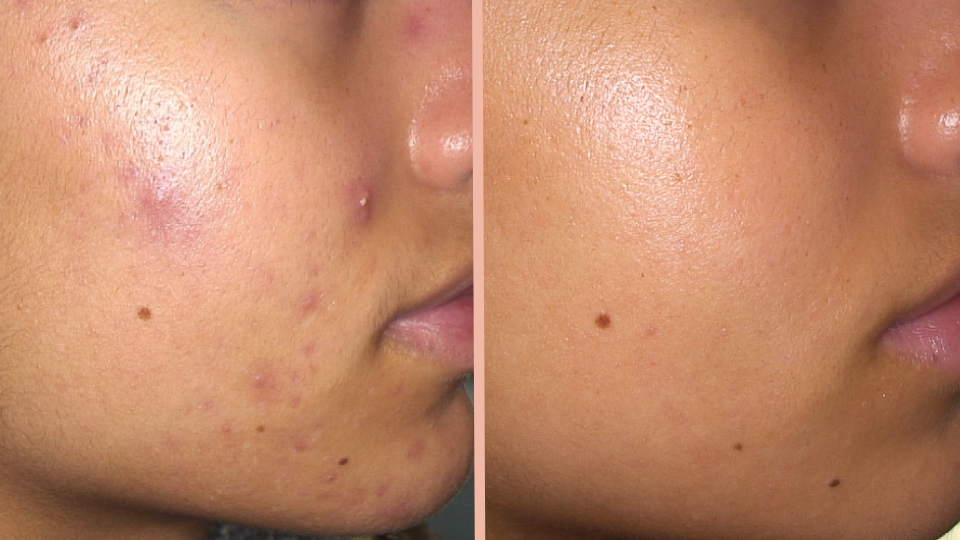
My skin has improved so much since seeing Dr Zaheri! I have seen a major improvement in my acne after being on accutane and an even bigger improvement in my acne scars after doing RF microneedling and CO2 laser.