

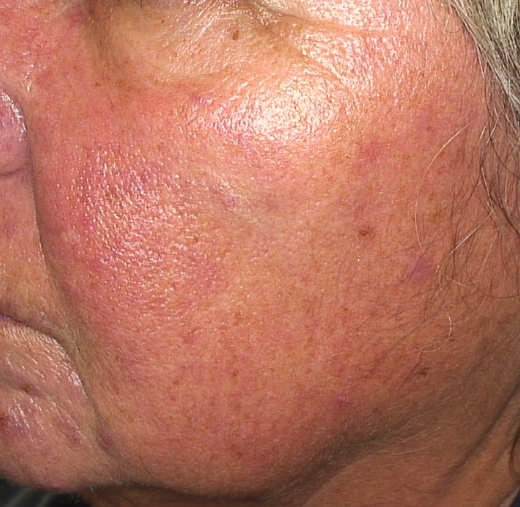
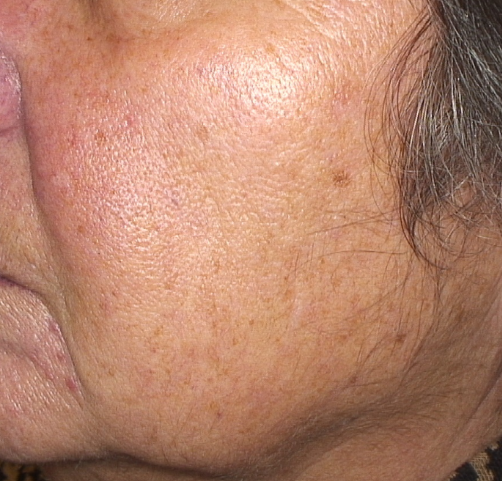
Rosacea is a common, long-term skin condition that mainly affects the face. It often appears as persistent redness, flushing, visible blood vessels, and sometimes raised spots or pustules or thickened skin. Symptoms may come and go in flare-ups.
We aim to help control persistent facial redness and flare-ups with expert dermatology care.
People with rosacea often have persistent facial redness, stinging, or sudden flushing, especially around the cheeks, nose, or forehead.
Feel Calm, Confident, & In Control of Your Skin Again
Living with rosacea can feel frustrating and unpredictable. It can affect self-esteem and confidence.
Rosacea often requires a multifaceted approach to treatment to reduce triggers, treat inflammation and treat redness due to dilated blood vessels in the skin.
Who gets Rosacea?
- More common in adults between 30 and 60 years old
- More frequently seen in fair-skinned individuals
- Both men and women can be affected, though men may develop more severe symptoms
Symptoms of Rosacea
Rosacea can vary from person to person, but common features include:
- Facial redness (usually across the cheeks, nose, forehead, or chin)
- Flushing or burning episodes of skin warmth
- Visible small blood vessels (telangiectasia)
- Raised spots or pustules
- Thickened skin in some cases, especially around the nose
- Eye symptoms (dryness, irritation, redness) – known as ocular rosacea
Demodex-related Rosacea
Recent research shows that in some patients, rosacea can be linked to Demodex mites.
What happens with treatment?
Once the Demodex are treated, patients often notice that their skin becomes smoother, less irritated, and less red.
What are Demodex mites?
Demodex are tiny mites that naturally live on human skin, especially in hair follicles and oil glands. In some people with rosacea, there may be a higher number of these mites, which can cause irritation and inflammation.
How does it feel?
Demodex-related rosacea can make the skin feel rough, similar to fine sandpaper, and may increase redness and sensitivity.
How do we diagnose this?
At our clinic, we use dermoscopy to assess the skin and check for the presence of Demodex mites.
Get Started with Rosacea Recovery Journey
Discover personalised care and expert guidance to restore your confidence and hair health with elegance and precision.
“The last time I visited Dr Ali my skin had improved noticeably since my first visit, she was very friendly and helpful and offered options for me to take, great experience.”
✅ Verified Patient Review from Doctify
Visited for Alopecia Areata

Possible Triggers
Certain factors may worsen rosacea or trigger flare-ups, including:
- Sun exposure
- Hot drinks or alcohol
- Spicy foods
- Stress or strong emotions
- Extreme temperatures (heat or cold)
- Some skin care products or steroid creams
How is Rosacea Treated?
Treatments are prescribed to control and improve symptoms. This includes reducing inflamed pustules on the skin, clearing any demodex on the skin, and reducing redness with creams or laser if appropriate.
Medical treatments
- Topical treatments (creams or gels) to reduce inflammation and redness
- Oral antibiotics to control moderate to severe flare-ups
- Treatments targeting Demodex (such as specific topical or oral medications)
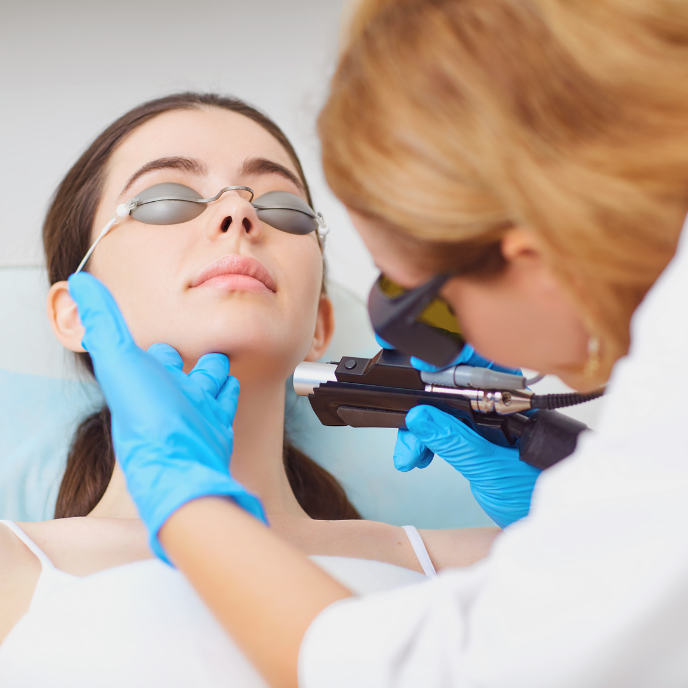
- Laser or light therapy to target visible blood vessels and redness
Treatment Options
There’s no cure for rosacea, but with the right treatment plan, flare-ups can be controlled and skin can stay calm long-term.
Our Diagnostic Approach
We guide you with realistic timelines, ongoing monitoring, and emotional support.
Clinical examination to help you pinpoint your personal flare-up triggers and understand what subtype you have.
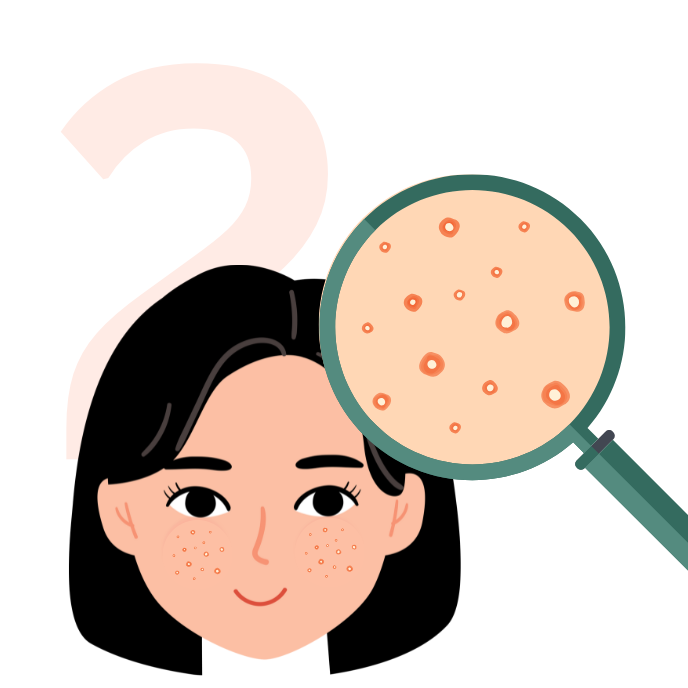
Skin and Horomones Analysis using clinical imaging to exactly understand the main cause
Blood tests to run targeted tests for diagnosing the exact sub-type.
Personalised treatment plan is pieced together by combining lab data, clinical imaging, and medical insights.
As your skin calms, we’ll adjust your routine and help prevent future flare-ups. Ongoing support is always part of your plan.