
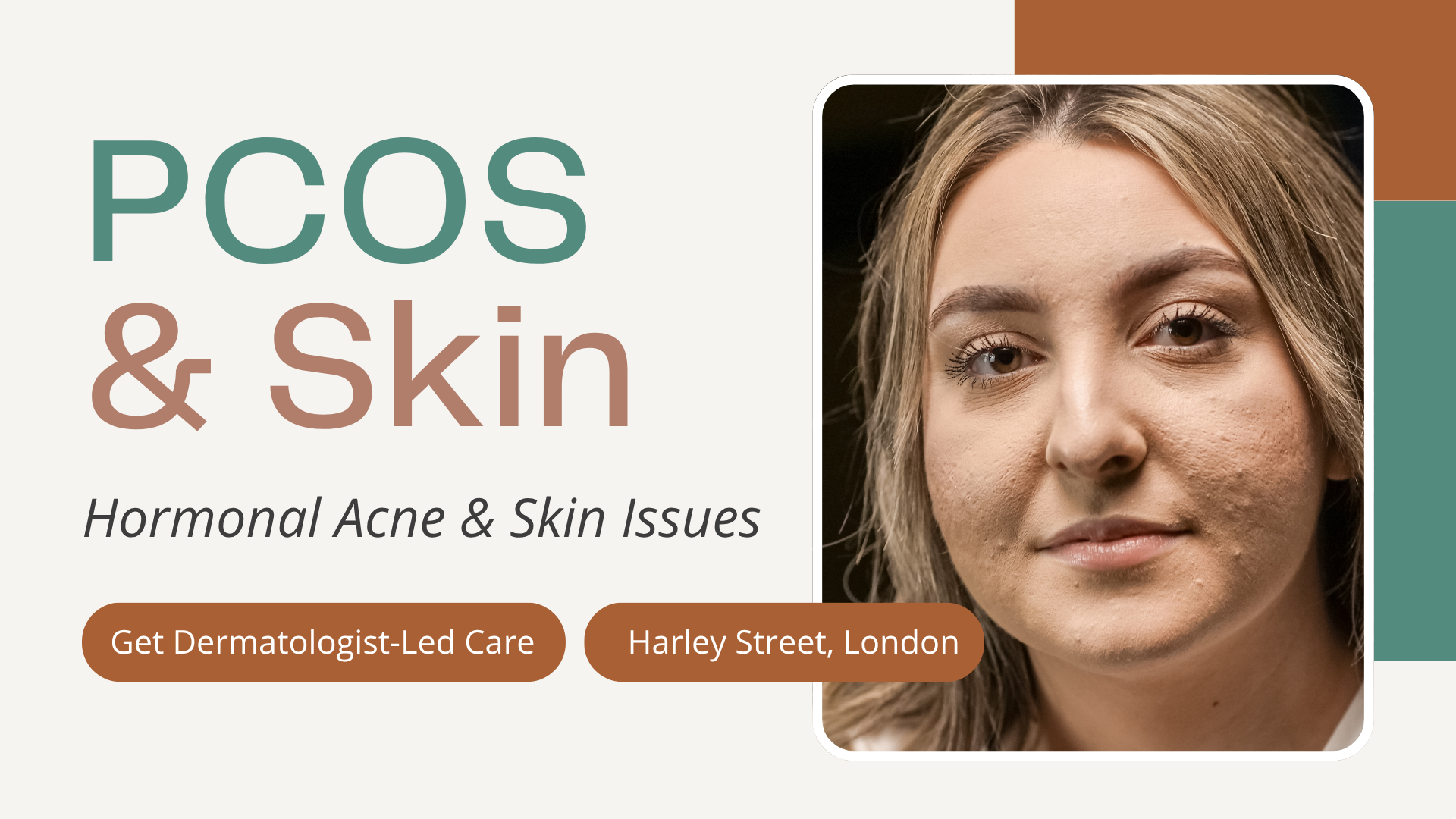
For many women, the skin becomes the first outward signal of something deeper going on within the body. Polycystic Ovary Syndrome (PCOS), a hormonal condition affecting up to 1 in 10 women, often first reveals itself through frustrating skin changes. These can include persistent acne, unwanted hair growth, scalp hair thinning, and dark patches of skin. While PCOS is a complex endocrine condition that affects ovulation and metabolism, its visible skin signs often prompt the first visit to a dermatologist.
At IA Dermatology, we believe in not only treating what’s visible on the outside but also understanding and addressing the systemic causes behind it.
We know that suffering from PCOS can be daunting, and the skin and hair issues can be emotionally distressing.
Our holistic and collaborative approach in treating the dermatological, hormonal and metabolic effects of PCOS has been developed over years of experience in managing patients with this complex condition.
We make you feel confident in your skin again
We know that suffering from acne can be a long and often times emotionally distressing journey.
As a specialist dermatology centre, our aim is to get you back to a place where you love your skin again and feel confident wearing it.
We offer the latest treatments available in the UK!
Start your journey to acne-free skin with us today.
Benefits of Acne Treatment
✅ Clearer skin: Reduces breakouts, inflammation, and blemishes for a healthier complexion.
✅ Boosted confidence: Improves self-esteem by addressing visible acne and its effects.
✅ Prevention of scarring: Treats activ
What is PCOS?
Polycystic Ovary Syndrome (PCOS) is a hormonal disorder where the ovaries may develop small cysts and fail to release eggs regularly. It’s often associated with:
- Irregular menstrual cycles
- Hormonal imbalances (especially elevated androgens/testosterone)
- Insulin resistance
- Obesity
- Fertility issues
While PCOS is commonly diagnosed during a woman’s reproductive years, the symptoms often start earlier, sometimes as early as adolescence.
Skin Conditions Linked to PCOS
1. Hormonal Acne
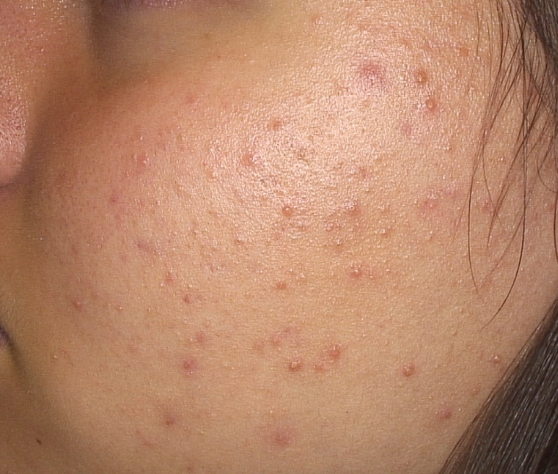
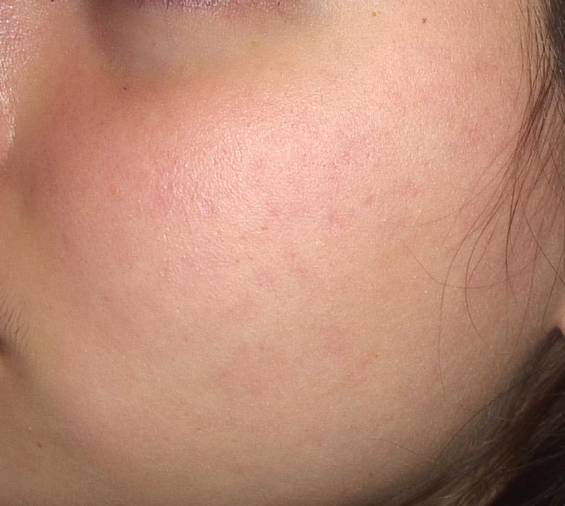
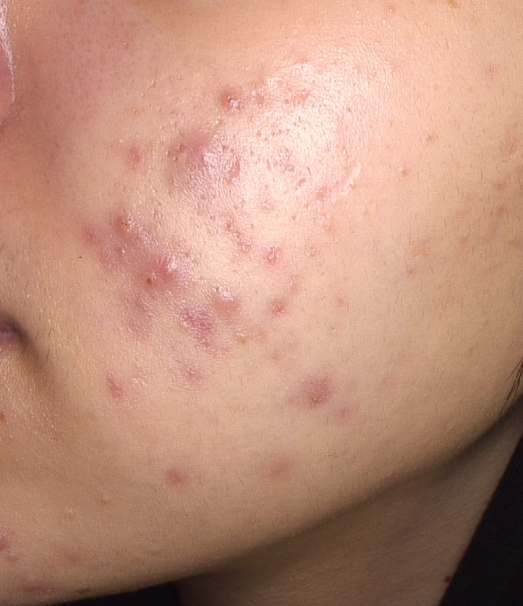
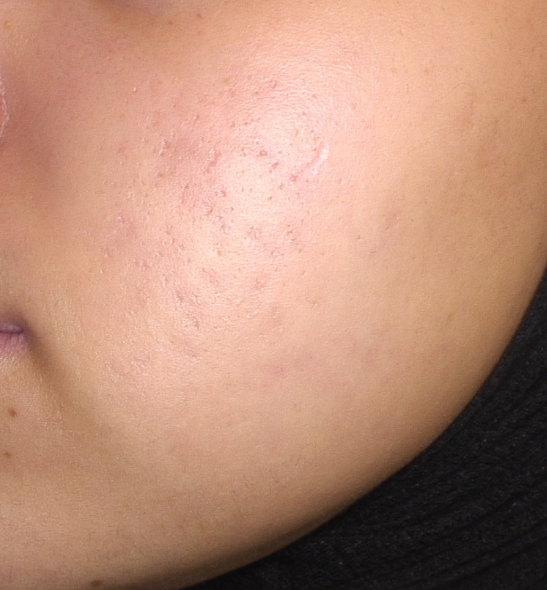
One of the most common skin-related signs of PCOS is persistent acne, especially in a “hormonal distribution”: along the jawline, chin, and upper neck. These breakouts tend to be deeper, more painful, and slower to heal compared to regular acne. Many women notice flares around their menstrual cycle. Sometimes the signs are more subtle such as comedonal acne or just persistently oily skin.
Treatment Options:
- Oral contraceptive pills (OCPs): Help regulate hormones and reduce acne.
- Spironolactone and other anti-androgens: A medication that blocks the effects of excess androgens on the skin.
- Topical treatments: Such as retinoids, benzoyl peroxide, or azelaic acid.
- Lifestyle and diet support: Reducing sugar and processed carbohydrates may help manage insulin resistance, indirectly improving acne.
- Medication to treat insulin resistance: Metformin, GLP-1 receptor agonists ( Mounjaro, Ozempic)
2. Acanthosis Nigricans
This refers to dark, velvety patches of skin, usually around the neck, underarms, or groin. It is caused by raised insulin levels that stimulate a thickening and darkening of the skin
Management:
- Weight loss and insulin control (via medications like metformin, GLP-1 receptor agonists)
- Topical treatments for pigmentation
- Monitoring for diabetes or prediabetes
3. Scalp Hair Thinning (Female Pattern Hair Loss)
Women with PCOS are at increased risk of hair loss. This is usually a gradually progressive form of hair loss
How it presents:
- Thinning over the central scalp and widening of the parting line
- Recession at the temples (frontotemporal thinning)
- Gradual loss starting in the teenage years or 20s
- Associated oily scalp and dandruff (seborrhea)
What happens in the hair follicles:
- Hair follicles gradually miniaturise under the influence of androgens
- Each follicle produces fewer hairs per unit
- Hair strands become finer and shorter over time
Treatment options:
- Anti-androgen therapy (e.g. Spironolactone)
- Hair growth promoting medication
- Supporting treatments to improve scalp health, seborrhoeic dermatitis
- Supplements to optimise hair growth and quality
- Lifestyle, dietary, and hormonal management to reduce progression
- Specific supplementary treatment such as Platelet rich plasma therapy when appropriate
4. Hirsutism (Excess Hair Growth)
Hirsutism is the presence of darker, coarse hair growth on areas such as the chin, upper lip, chest, abdomen, or thighs. This is caused by elevated androgen levels and is one of the features of PCOS.
Treatment Options:
- Hormonal management: Birth control pills, anti-androgens (spironolactone, cyproterone), and insulin-sensitising agents like metformin
- Hair removal methods: Shaving, waxing, depilatory creams
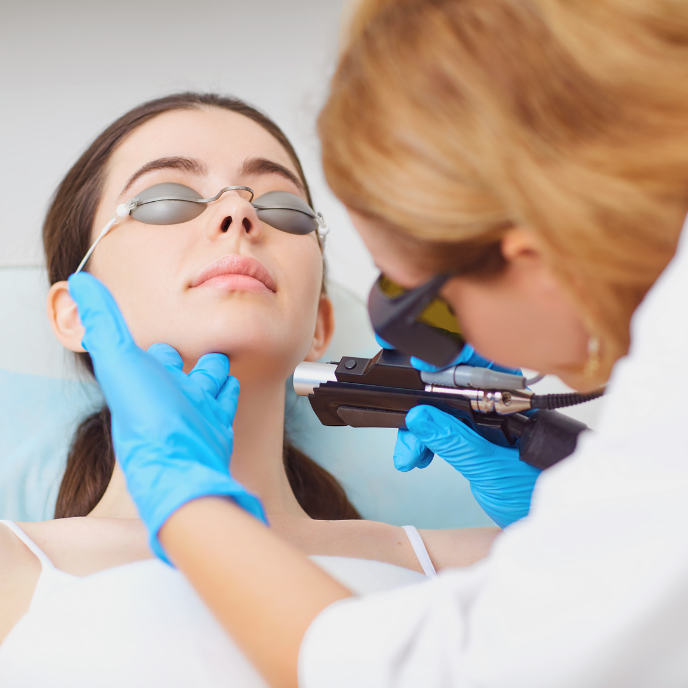
- Laser hair removal or electrolysis
- Eflornithine cream: Slows facial hair growth
How is PCOS Diagnosed?
There’s no single test for PCOS. A diagnosis is typically made based on a combination of symptoms, blood tests (to check hormone levels), and an ultrasound (to look at ovarian structure). You may be referred to an endocrinologist, gynaecologist, or dermatologist, depending on your symptoms.
At IA Dermatology, we collaborate closely with other specialties to ensure you get a holistic diagnosis and treatment plan.
Get Started with PCOS Recovery Journey
Discover personalised care and expert guidance to restore your confidence and hair health with elegance and precision.
“I’ve had an amazing experience with Dr Iaisha Ali, I’ve been with her for 2 and half years, I’ve had treatments with her for my skin, hair and I’m more than happy with the results.. Dr Iasisha Ali always has a solution for everything, she really truly is the best!”
✅ Verified Patient Review from Doctify
Visited for Alopecia Areata
When to seek help
If you are experiencing persistent acne, abnormal hair growth, especially if associated with irregular periods or weight gain, it’s advisable to speak with a doctor. These could be signs of PCOS or another hormone-related condition.
At our clinic, we aim to provide expert care that sees the whole you, not just your skin.
What to Expect with Treatment
We understand that PCOS-related skin issues vary between individuals. It is important to identify your specific medical issues and address all of your concerns. Here’s what your care journey may look like:
Our Diagnostic Approach
We guide you with realistic timelines, ongoing monitoring, and emotional support.
A careful assessment is made based on your symptoms and medical history
A careful examination is made of all skin and hair issues using dermatoscopy and trichoscopy for the scalp and hair.
Blood tests are organised to assess hormone and metabolic and nutritional health
Radiological tests such as a pelvic ultrasound will be requested if needed
A personalised treatment plan is created by combining all the information from the history, examination, investigations and blood tests.
A treatment plan may include
- Skincare advice (which cleansers, creams, and sunblock)
- Prescription topicals (retinoids, etc)
- Medication to treat hormonal and metabolic issues (anti-androgens, OCP)
- Dietary supplements
- Adjunctive care e.g,. laser hair removal
- Dietary advice
- Emotional support
We try to guide you with realistic timelines, ongoing monitoring, and emotional support throughout your treatment journey.