
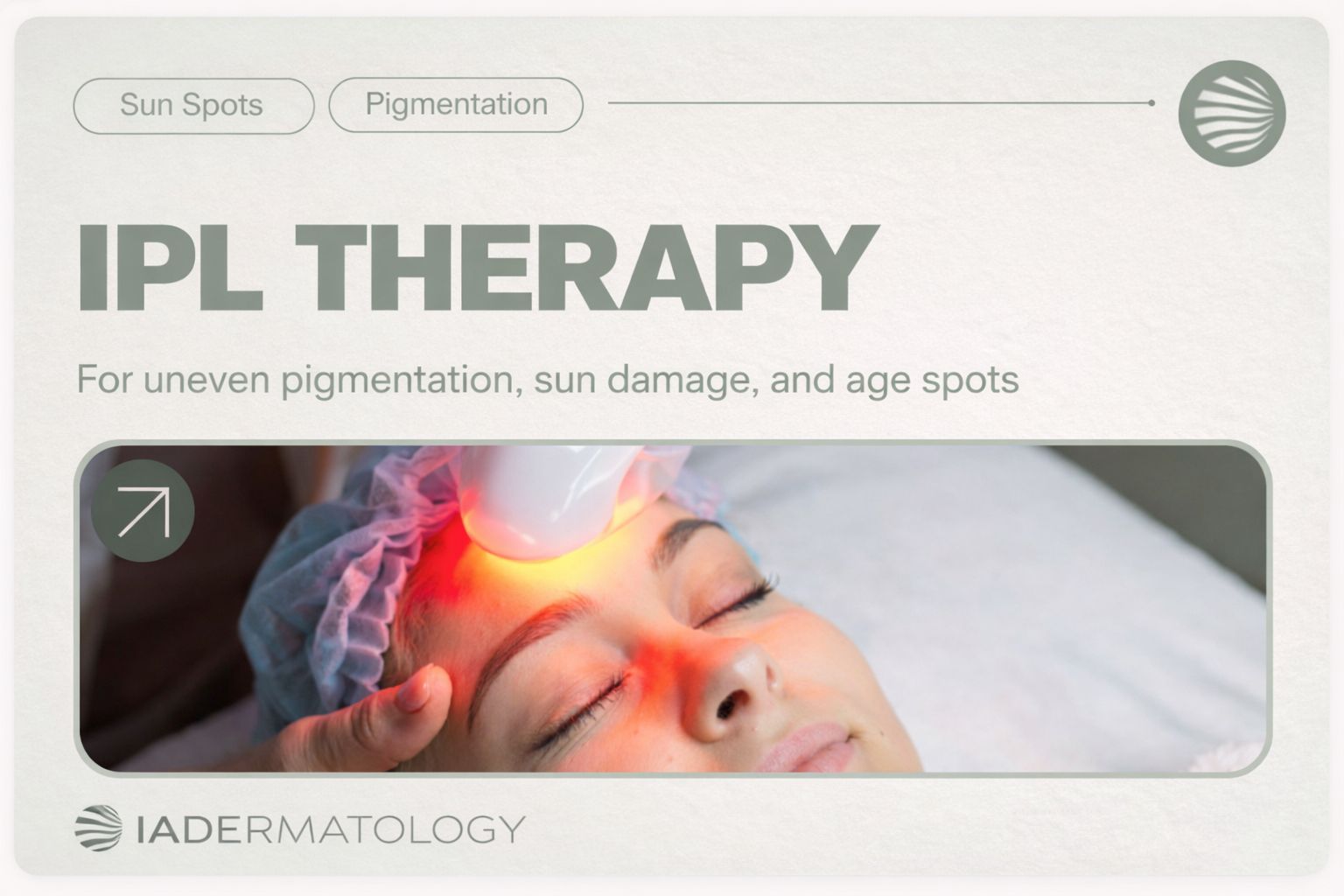
Intense Pulsed Light (IPL) is a non-invasive light treatment that uses controlled pulses of broad-spectrum light to improve the appearance of the skin. IPL is not a laser – it emits multiple wavelengths of light, making it effective for treating a variety of pigment and age-related skin changes.
How Does It Work on Pigmentation?
- IPL light is absorbed by melanin, the pigment in freckles, sun spots (solar lentigines), and uneven skin tone.
- This light energy gently heats and breaks down excess pigment into smaller fragments.
- Over time, the treated pigment rises to the skin surface and naturally flakes away, leaving a clearer, more even complexion.
What Can It Treat?
- Freckles and sun-induced pigmentation (solar lentigines)
- Uneven skin tone caused by sun damage
- Signs of photoaging such as mottled pigmentation, redness, and dullness
- Skin texture and overall complexion may also improve as IPL stimulates collagen production
Benefits
- Reduction in unwanted freckles and sun spots
- Smoother, brighter, more even skin tone
- Rejuvenation of sun-damaged skin
- A fresher, more youthful appearance with minimal downtime
Treatment Experience
- IPL feels like a quick, warm flick or a rubber band snap against the skin.
- Cooling gel is applied before treatment to increase comfort.
- Immediately after, the skin may look red or slightly swollen, similar to mild sunburn.
- Darker pigmented spots often become temporarily darker or look like fine coffee grounds – this is normal.
- These areas will gradually fade or flake off over 7–14 days.
Results and Aftercare
- Some improvement may be visible after 1 treatment, but most need 3–6 sessions spaced 4–6 weeks apart.
- Avoid sun exposure, tanning, and strong active skincare until healed.
- IPL is best for lighter skin tones; a test patch is performed.
Visit IADermatology, Harley Street, for personalised IPL consultations.
Our Cosmetic Dermatology Approach
We guide you with realistic timelines, careful planning, and structured follow-up so results look natural and improve over time.
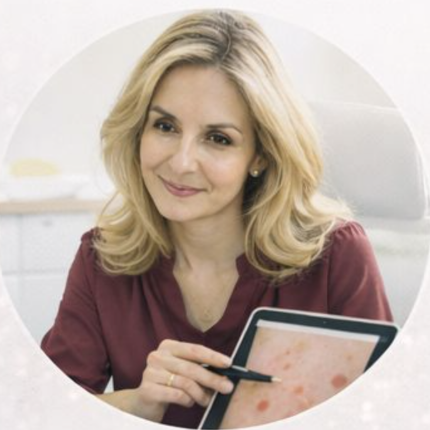
1. Skin
Assessment
Detailed clinical examination to analyze your skin’s specific needs & establish clear treatment priorities.
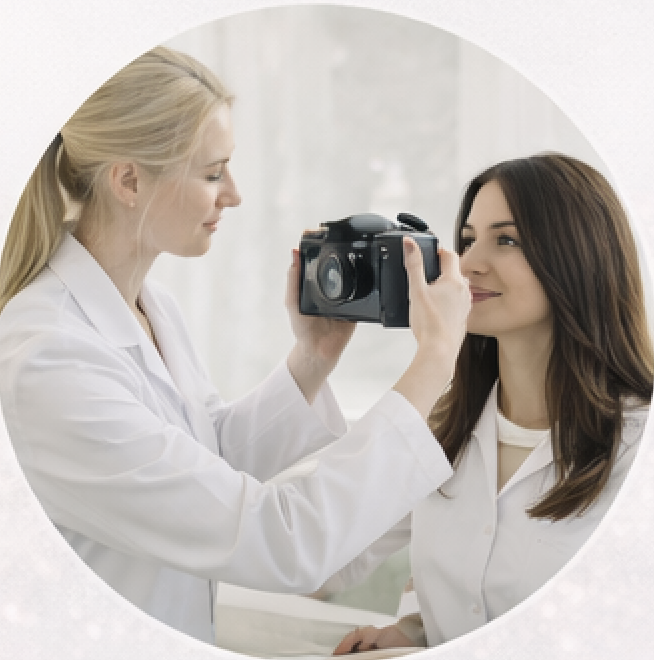
2. Photography & Planning
Baseline photographs taken. Treatment options discussed and expectations aligned.
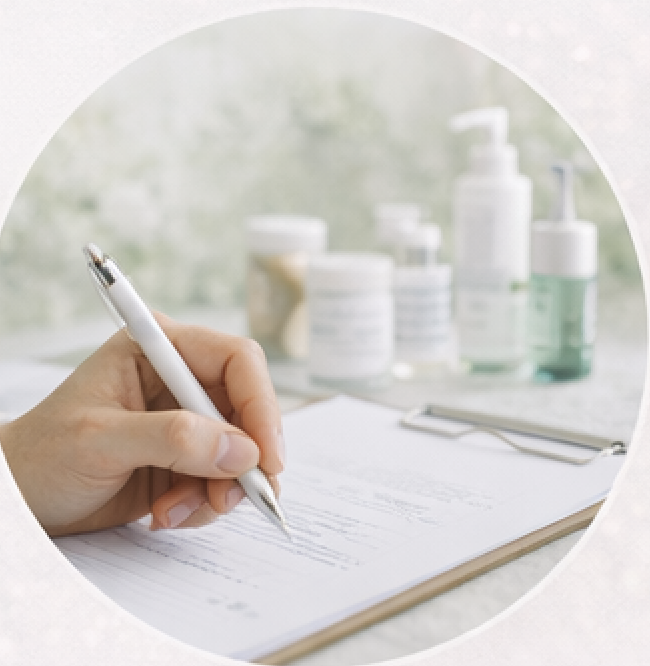
3. Personalised Programme
Tailored treatment plan combining in-clinic procedures, skincare and skin-supporting therapies.
4. Treatment &
Aftercare
Deliver professional treatment followed by structured monitoring, support, and essential post-procedure care.