
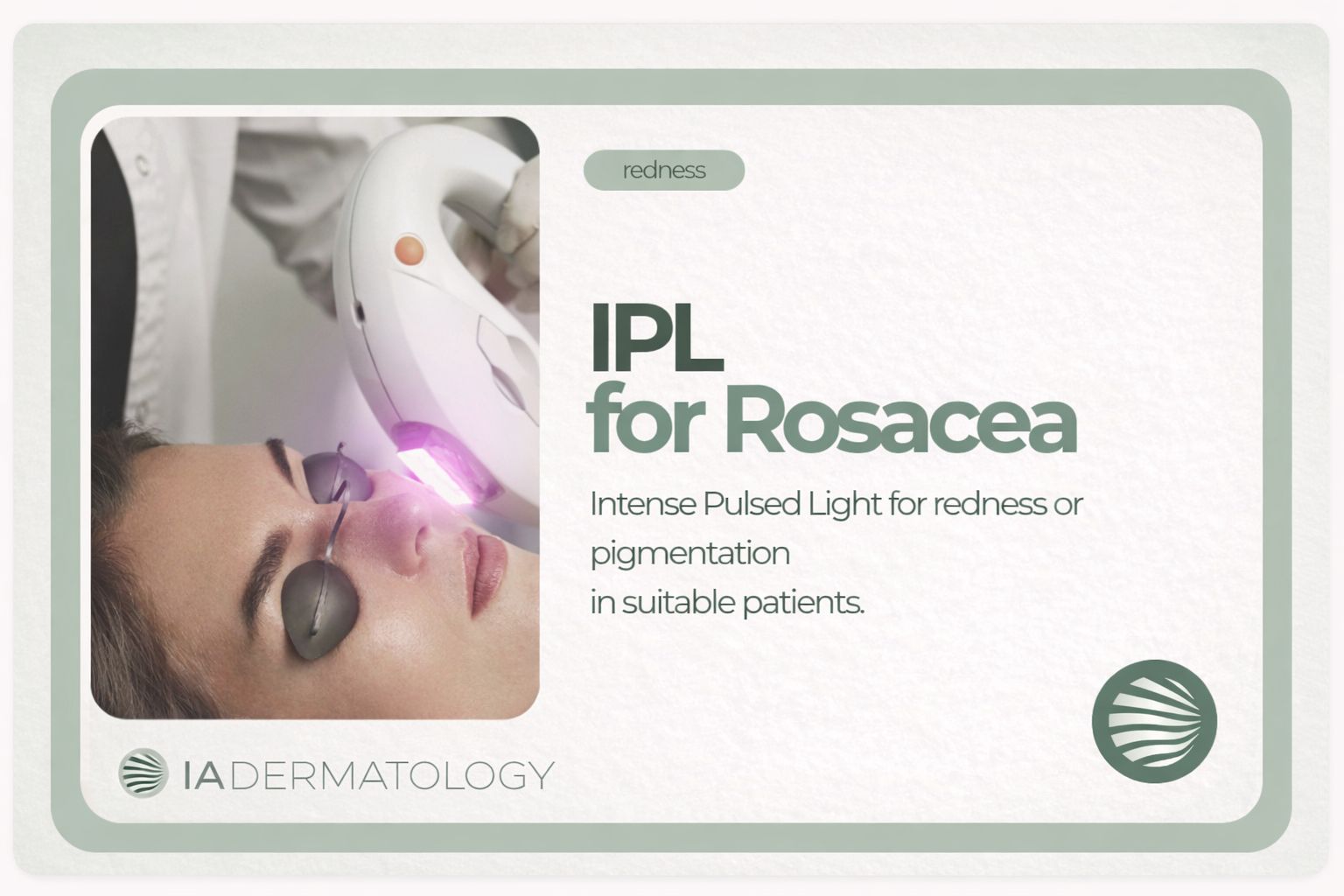
Intense Pulsed Light (IPL) is a non-laser light treatment that uses controlled pulses of broad-spectrum light to address redness, visible blood vessels, and pigmentation in the skin. Unlike traditional lasers, which use a single wavelength of light, IPL delivers multiple wavelengths. This versatility makes it particularly effective for a range of vascular and pigment-related concerns, including those associated with rosacea.At IADermatology, our IPL treatments are performed by experienced dermatologists using state-of-the-art equipment, ensuring safety and optimal results for London-based clients seeking non-surgical options.
How IPL Targets Rosacea and Vascular Telangiectasia
Rosacea, especially the erythrotelangiectatic type, often involves dilated blood vessels that cause ongoing redness and flushing.
IPL works by precisely targeting these issues:
- Absorption by Haemoglobin: The light energy from IPL is absorbed by haemoglobin, the red pigment found in small blood vessels.
- Controlled Vessel Damage: This absorption generates heat, causing controlled damage to the vessel walls. Over time, this leads to the gradual closure and fading of visible vessels (known as telangiectasia or thread veins).
- Reducing Background Redness: For rosacea sufferers, IPL diminishes the overall red appearance of the skin, helping to control flushing and improve the persistent erythema that affects areas like the cheeks, nose, and chin.
What to Expect During Your IPL Treatment
We prioritise your comfort and safety throughout the process. Here’s a step-by-step overview of what happens during an IPL session at our Harley Street clinic:
- Consultation and Preparation: Your dermatologist will assess your skin, discuss your rosacea symptoms, and perform a test patch to ensure suitability. Cooling gel or a cooling device may be applied to enhance comfort.
- The Procedure: IPL feels like a short, sharp flick or snap against the skin – similar to a rubber band ping. The device is passed over the affected areas, delivering pulses of light. Sessions typically last 15–30 minutes, depending on the treatment area.
- Immediate Aftermath: Your skin may appear red, like a mild sunburn, with some areas showing increased redness or mild bruising. This usually settles within 3–4 days. Superficial veins might temporarily darken before fading.
- Results Timeline: Improvements aren’t instant but develop gradually over several days to weeks as the vessels close and redness subsides. Most patients require 3–6 sessions spaced 4–6 weeks apart for optimal results. Since rosacea is a chronic condition, maintenance treatments may be recommended to prevent relapse.
IPL is generally well-tolerated, but it’s not suitable for everyone, such as those with darker skin tones, active skin conditions, or certain medications that increase light sensitivity. Our team will guide you on alternatives if needed.
Aftercare Tips for Optimal Results
Proper aftercare is crucial to maximise the benefits of IPL and minimise any temporary side effects. At IADermatology, we provide personalised instructions, but general guidelines include:
- Sun Protection: Avoid direct sun exposure and apply a broad-spectrum SPF 30–50 daily to protect your sensitive skin.
- Avoid Heat and Irritants: Steer clear of hot baths, saunas, vigorous exercise, and harsh exfoliants or irritant skincare products for 24–48 hours post-treatment.
- Gentle Skincare: Use a mild cleanser and moisturiser. If swelling occurs, a cool compress can help soothe the area.
- Makeup and Daily Routine: You can usually apply makeup the next day if your skin isn’t broken, allowing you to maintain your routine in London’s fast-paced environment.
Side effects are uncommon but may include temporary redness, swelling, mild blistering, or pigmentation changes. A pre-treatment consultation helps mitigate risks.
Our Cosmetic Dermatology Approach
We guide you with realistic timelines, careful planning, and structured follow-up so results look natural and improve over time.
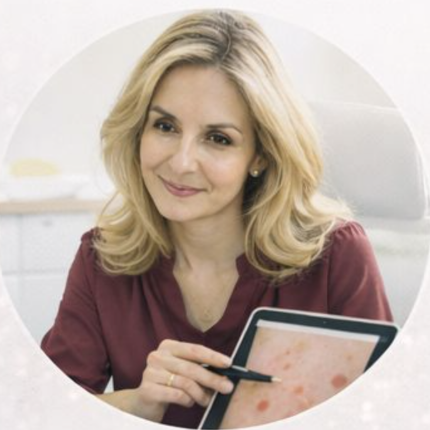
1. Skin
Assessment
Detailed clinical examination to analyze your skin’s specific needs & establish clear treatment priorities.
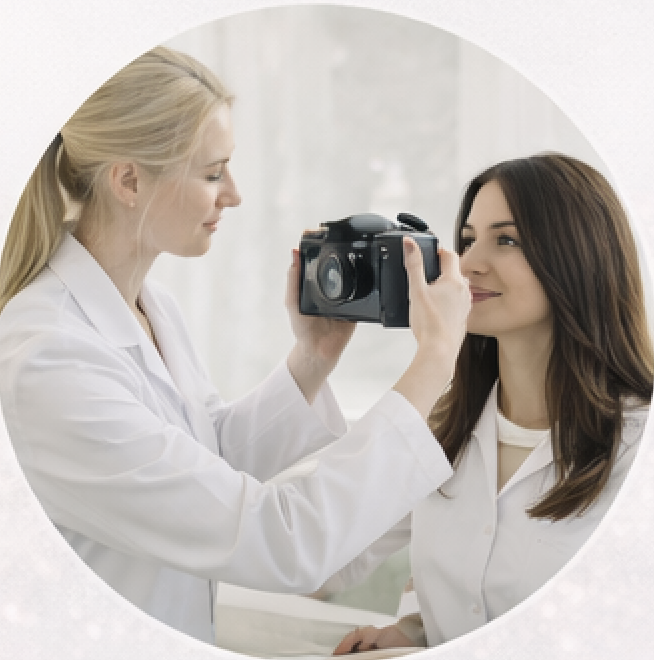
2. Photography & Planning
Baseline photographs taken. Treatment options discussed and expectations aligned.
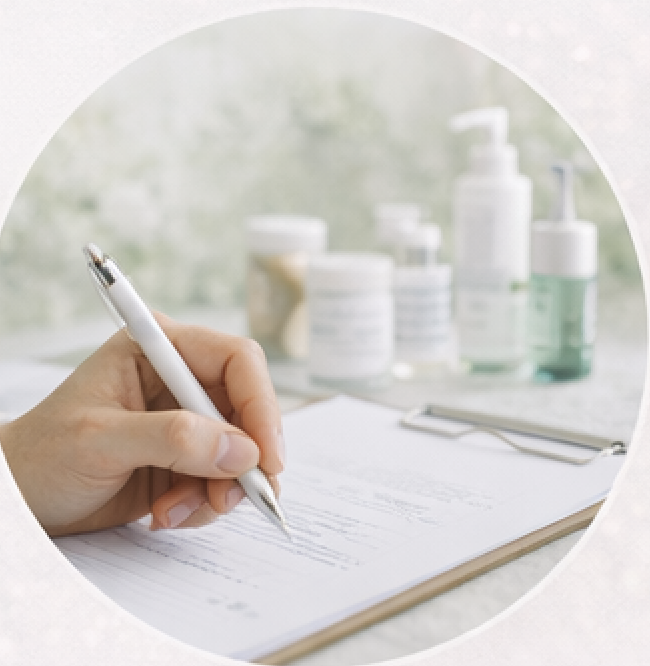
3. Personalised Programme
Tailored treatment plan combining in-clinic procedures, skincare and skin-supporting therapies.
4. Treatment &
Aftercare
Deliver professional treatment followed by structured monitoring, support, and essential post-procedure care.